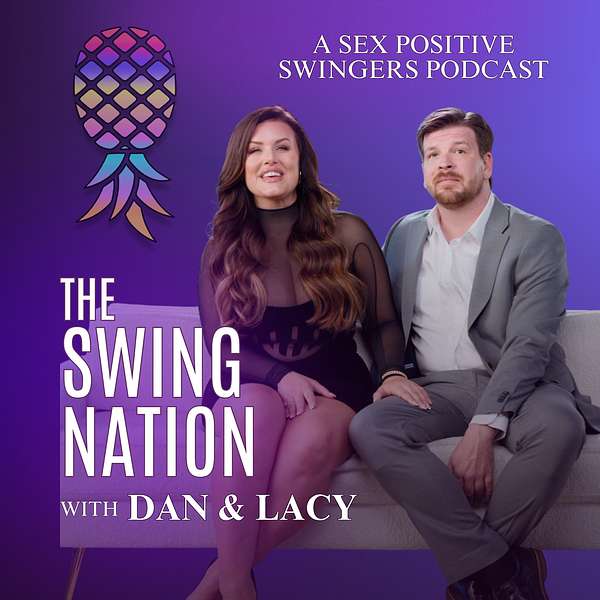

Hello Pineapple friends 🍍
Pride Month always brings up a big conversation about visibility, safety, family, and the right to live honestly. And because we are lifestyle people, we need to say this carefully and clearly: the lifestyle is not the same thing as being LGBTQ+. We are not here to take over Pride, borrow somebody else’s fight, or slap a rainbow on a pineapple and call that allyship.
But there is mission overlap worth talking about.
Pride is rooted in the idea that people deserve to live with less shame and more safety. The Swing Nation exists to normalize the lifestyle, eliminate shame, and build real community for adults who are choosing honest connection. Different lanes. Shared anti-shame heartbeat.
So the question for pineapple people is not, “How do we make Pride about us?” Nope. The better question is, “How do we show up respectfully for the queer people in our community, protect privacy for people who are not safe being visible, and keep building spaces where honest adults do not have to feel alone?”
Visibility is powerful. It should not be forced.
One of the trickiest parts of lifestyle life is the balance between authenticity and discretion. Some people are loud and proud about who they love, how they connect, and what kind of relationships they build. Beautiful. We love that confidence.
Other people are private because their job, custody situation, family, faith community, or personal safety would be at risk if every part of their life became public. That privacy can be wise. It can be protective. It can be necessary.
The no-BS distinction is this: privacy protects consenting people. Secrecy hides things from people whose consent matters.
That matters during Pride season because “be visible” can sound inspiring, but it can also land like pressure if someone is not safe. A better community says, “We will celebrate visibility, and we will protect your right to move at the speed of safety.”
Allyship is not a costume
Every June, brands and communities get tempted to turn Pride into a cute marketing moment. A rainbow logo here, a themed caption there, a little “love is love” post with no real support behind it. That is the part that feels thin.
Lifestyle people should know better, because we already understand the difference between performance and trust. You can say all the right words and still make people feel unsafe. You can also be quiet, steady, generous, and protective in ways that actually matter.
Real support looks like listening before speaking. It looks like respecting that queer members of the lifestyle community are not props for a June content calendar. It looks like showing up locally, tipping performers, supporting LGBTQ+ organizations, attending events respectfully, and not turning every Pride conversation into “what about us?”
That last one is big, friends. You can stand beside a community without stepping in front of it.
Chosen family is not just a cute phrase
A lot of pineapple people know what it feels like to find a room where you can finally exhale. Maybe you walked into your first event nervous as hell, wondering if everyone would judge you. Maybe you had one conversation with another couple and thought, “Oh. We are not broken. We are not alone.”
That feeling is powerful.
For many queer people, chosen family has been survival, not branding. It means the people who stay when others reject you. It means community that protects your dignity. It means somebody saves you a seat when the world is trying to make you smaller.
The lifestyle community can learn from that. Our events, parties, podcasts, chats, and meetups should not just be places to flirt. They should be places where adults feel respected, where boundaries are honored, where consent is normal, and where nobody has to perform confidence to deserve kindness.
Respect the difference between identity and relationship structure
Let’s keep this clean: swinging, ENM, open relationships, hotwife dynamics, and other lifestyle structures are relationship choices or relationship agreements. Being LGBTQ+ is identity. Those are not interchangeable.
Some people are both queer and non-monogamous. Some are one and not the other. Some are still figuring out what language fits. Some do not want labels at all. Our job is not to flatten those differences. Our job is to make the room safer for honest conversation.
That means we do not claim Pride as “ours” because non-monogamy also deals with stigma. We can acknowledge stigma without hijacking the umbrella. We can say, “We support you,” without saying, “This is the same thing.”
That kind of nuance is not weakness. It is respect.
How lifestyle couples can show up this month
If you want to do something useful this Pride season, keep it simple and grounded:
- Support one local LGBTQ+ organization, fundraiser, or community event.
- Attend Pride spaces respectfully, especially if you are there as an ally.
- Do not out anyone’s identity, relationship style, event attendance, or personal life.
- Make your lifestyle spaces explicitly consent-forward and queer-respectful.
- Check your own jokes, assumptions, and “just asking” comments before they land weird.
- If someone tells you what makes them feel safe, believe them the first time.
None of that requires a press release. Honestly, the quiet stuff is often the most meaningful.
Privacy can be part of love
In lifestyle spaces, we talk a lot about discretion. Discretion can be loving when it protects people who agreed to be protected. It can be community care when it keeps someone from being outed. It can be trust when everyone involved understands what is private and why.
But discretion should never become a cover for dishonesty. If your spouse would be shocked, if your partner does not know, if somebody’s consent depends on information you are withholding, that is not privacy. That is a mess wearing a cute outfit.
Pride season is a good time to revisit that line. Who are we protecting? Who are we hiding from? Who gets a real choice? Those questions matter in queer spaces, lifestyle spaces, and every relationship that claims to be built on trust.
The real takeaway
Pride reminds us that shame loses power when people find community. The lifestyle reminds us that freedom only feels good when it is held by consent, honesty, privacy, and care.
So this month, support Pride without making it a costume. Celebrate visibility without forcing it. Protect privacy without excusing secrecy. Make room for queer pineapple people, curious couples, closeted friends, loud-and-proud friends, and anyone who is trying to live a little more honestly without losing their safety.
That is community. That is the work. And yes, that is very pineapple-coded.
Big love,
Dan & Lacy