Cosmopolitan put swinging back in the mainstream spotlight this week with a simple premise: young couples are not just flirting with non-monogamy in theory. They are showing up at sex parties, using apps, finding private communities, and choosing swinging because it gives their curiosity a structure.
The piece, published June 23, frames this as a generational shift. Swinging, once filed away under cruise jokes, key bowls, and somebody’s uncle in a silk shirt, is apparently getting a zillennial refresh. The article points to younger couples using Feeld, Telegram groups, themed events, and clubs instead of the old caricatures. It also makes a useful distinction: some couples are not looking for full polyamory or an emotionally open relationship. They want shared sexual exploration with clear agreements, a beginning, an end, and a ride home together.
That matters because mainstream culture has been lazy about the lifestyle for a long time. It loves the cartoon version. It loves the scandal. It loves acting shocked that married or committed people might want adventure without blowing up the relationship. But the real story is not that young people discovered sex parties. Young people discover everything eventually; give them Wi-Fi and a group chat and they will find a way.
The real story is that structure is having a moment.
Cosmo gets that part right. The article is strongest when it shows swinging as something rules-based, couple-oriented, and built around conversations that happen before anyone is standing in a playroom pretending they suddenly forgot what boundaries are. That is the piece mainstream outlets usually miss. Swinging is not “anything goes.” Healthy swinging is often the opposite. It is calendars, agreements, condoms, testing talks, check-ins, exits, aftercare, and the tiny married-couple logistics that never make the sexy headline. Who is driving? Are we both playing or neither of us? What happens if one of us gets weird? Are we staying together tonight or splitting off? What is our signal for “babe, I need a minute”?
That is not boring. That is the grown-up part that makes the fun possible.
Where mainstream media still stumbles is the need to make every lifestyle story sound like a trend report from a planet it just discovered. “Young swingers” is a clickable phrase, sure. But people in the lifestyle know this is less about age and more about access. Younger couples have better language, better apps, more visible communities, and less patience for pretending monogamy is the only adult setting. That does not mean they are automatically better at non-monogamy. It just means the door is easier to find.
And once people find the door, the same old work is waiting on the other side.
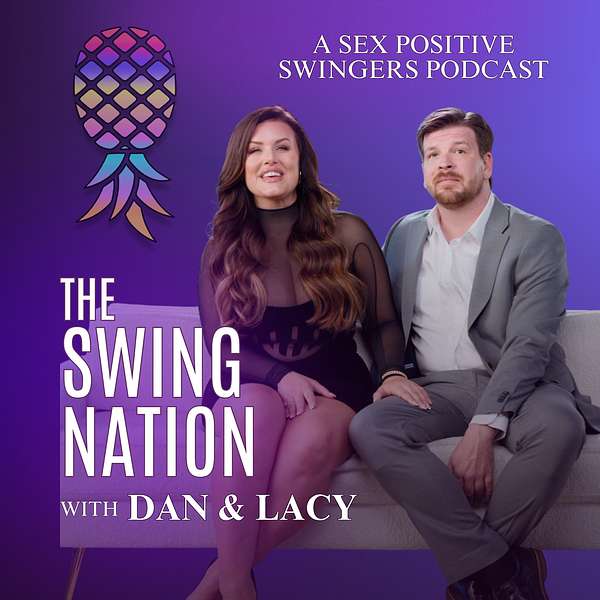
Dan and Lacy’s TSN position is pretty simple here: we are glad the mainstream is finally catching up, but we are not interested in selling swinging as a shortcut. If your relationship is already cracked, the lifestyle will not spackle it together with glitter and hotel towels. If one partner is secretly hoping swinging will fix a dead bedroom, punish a cheating spouse, or keep somebody from leaving, slow all the way down. The party will still be there next month. Your trust might not be.
Swinging works best when it is an addition, not a rescue mission. It works when both people can say yes without flinching. It works when the softer partner has just as much power as the excited partner. It works when “we can stop anytime” is not just something you say because it sounds ethical, but something you actually mean when the music is loud and everybody looks hot.
That is the lived-in lifestyle truth mainstream stories should say louder: desire is easy to talk about before it costs you anything. Boundaries get real when they interrupt momentum.
The Cosmo article also touches the stigma piece, and that deserves more weight. It is cute when outsiders call swinging trendy until someone gets outed, mocked, fired, judged by family, or treated like a walking punchline. Privacy is not shame. A lot of lifestyle people are private because the world still cannot tell the difference between consensual adult choices and scandal. That is why community matters. Not just apps. Not just events. Real community, where people know how to protect names, faces, marriages, jobs, and nervous first-timers who are trying to find their footing.
For the lifestyle community, this moment is an opportunity and a warning. More visibility can bring more curious couples, which is great. We want people to find shame-free spaces where they can ask honest questions. But more visibility also brings tourists, bad actors, sloppy “ENM” language, and people who want the fantasy without the responsibility. The answer is not gatekeeping with an attitude. The answer is better culture: consent as normal, testing as normal, privacy as normal, no as normal, debriefing as normal, and leaving early as completely fine.
If young couples are bringing swinging back, good. Let them bring better conversations with them. Let them bring less shame, more body confidence, more queer visibility, more consent literacy, and more honesty about what they want. But let us not pretend the age of the couple changes the assignment. Pineapple people still have to do the work.
The mainstream will keep asking whether swinging is “back.” The better question is whether the people walking into it are ready to treat freedom like something that requires care.
So here is the question for the room: if swinging really is getting younger, are we building a lifestyle culture that teaches new people how to be free without getting careless?
|
🍍 TSN Partner Spotlight Wisp — Discreet sexual health care, same-day prescriptions |